今日行动
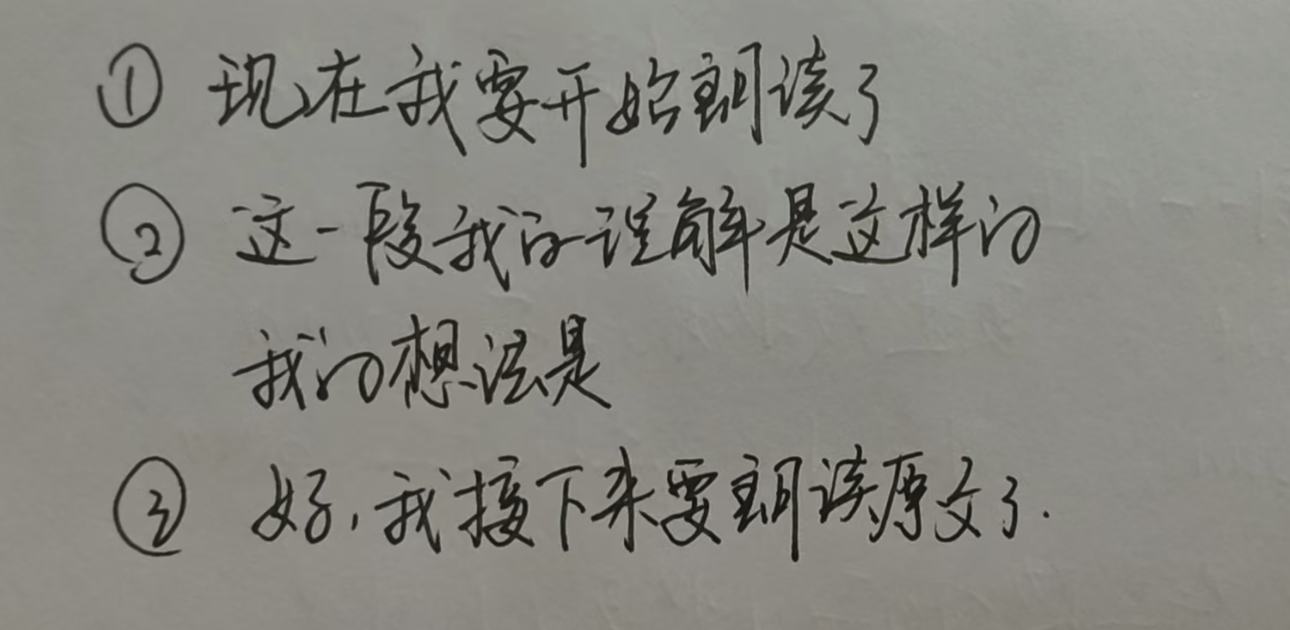
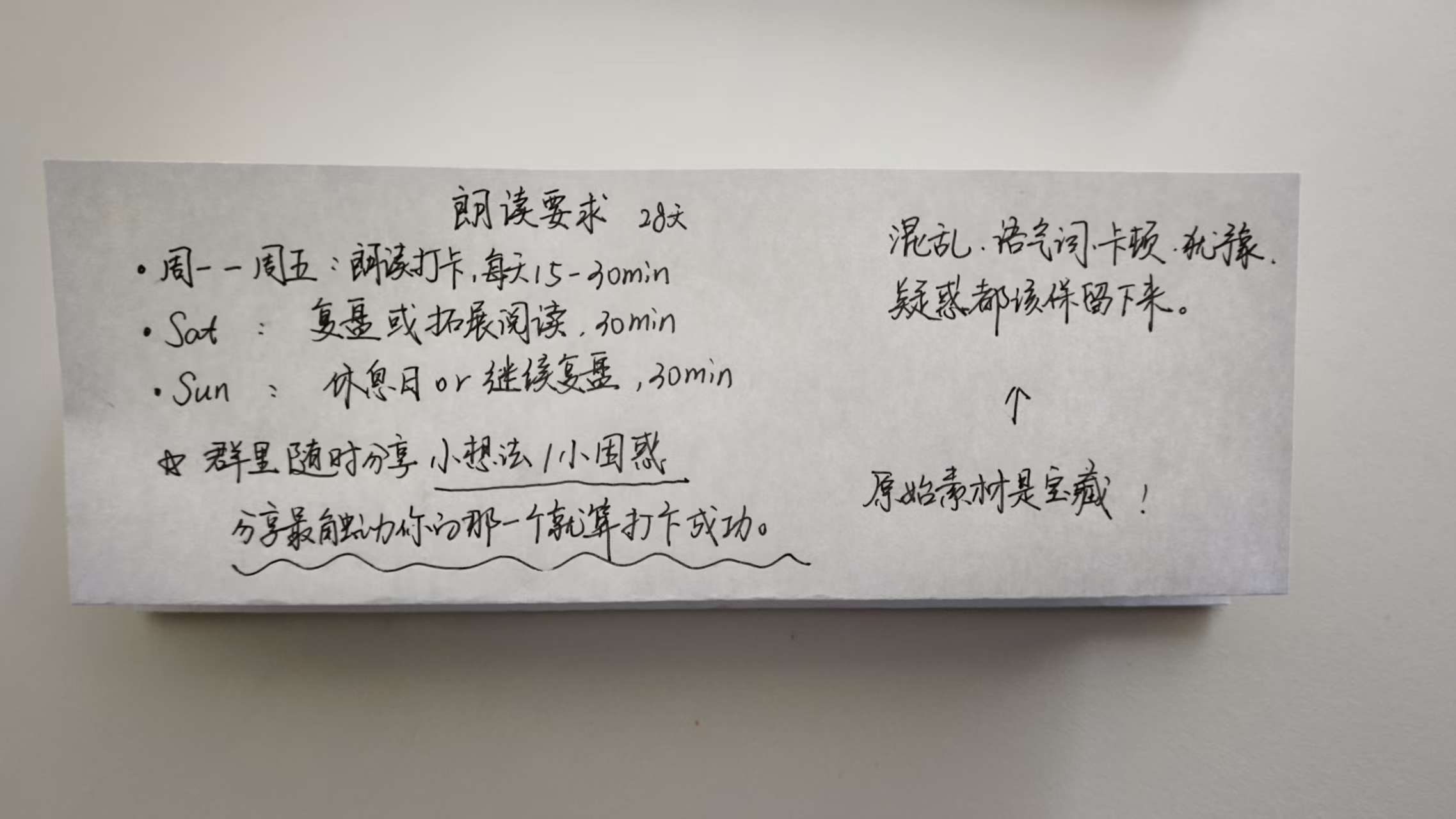
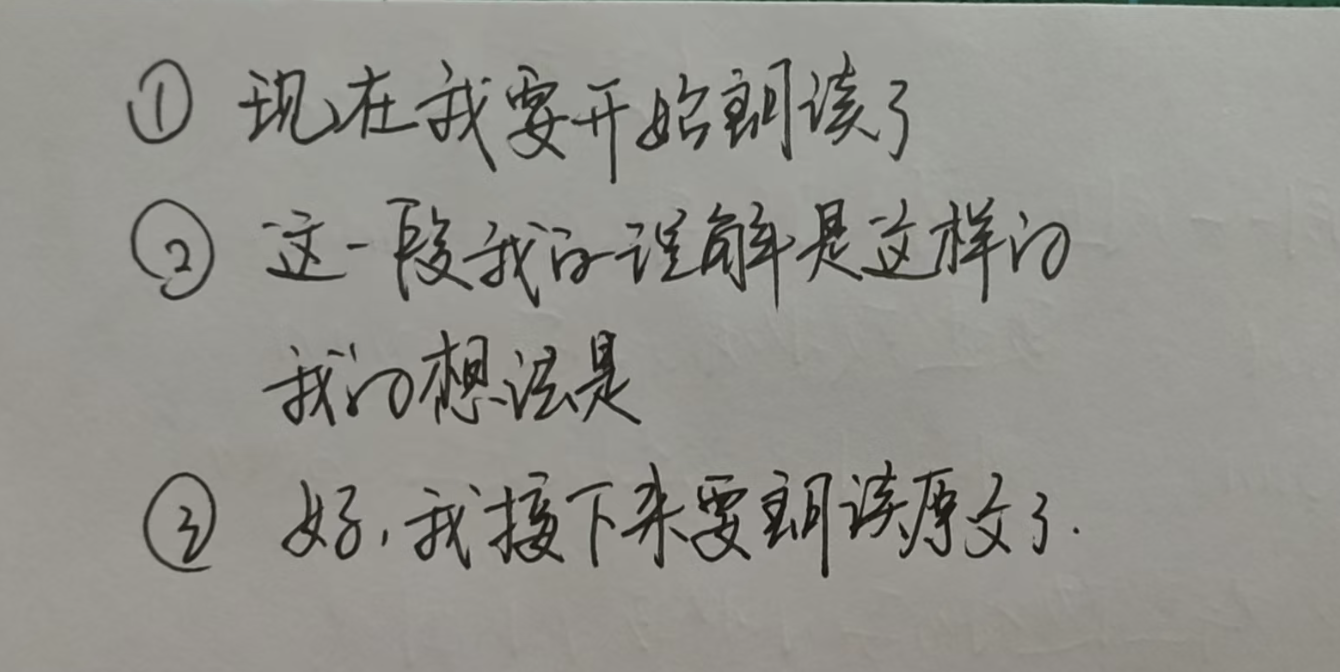
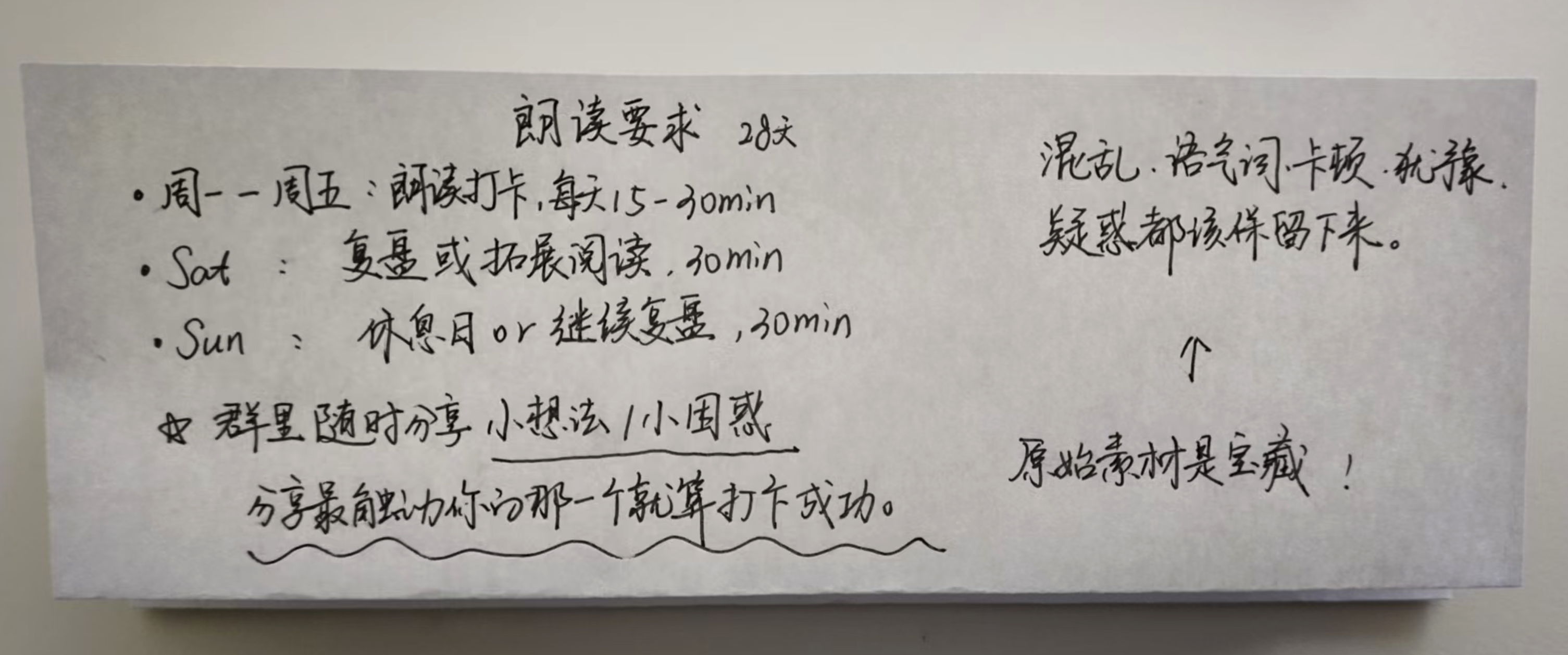
1、打开您常用的语音转文本工具,开始朗读吧!
2、一次读完一整个语音转文本的限制时间,或者最多三十分钟。
3、然后让自己去休息吧!
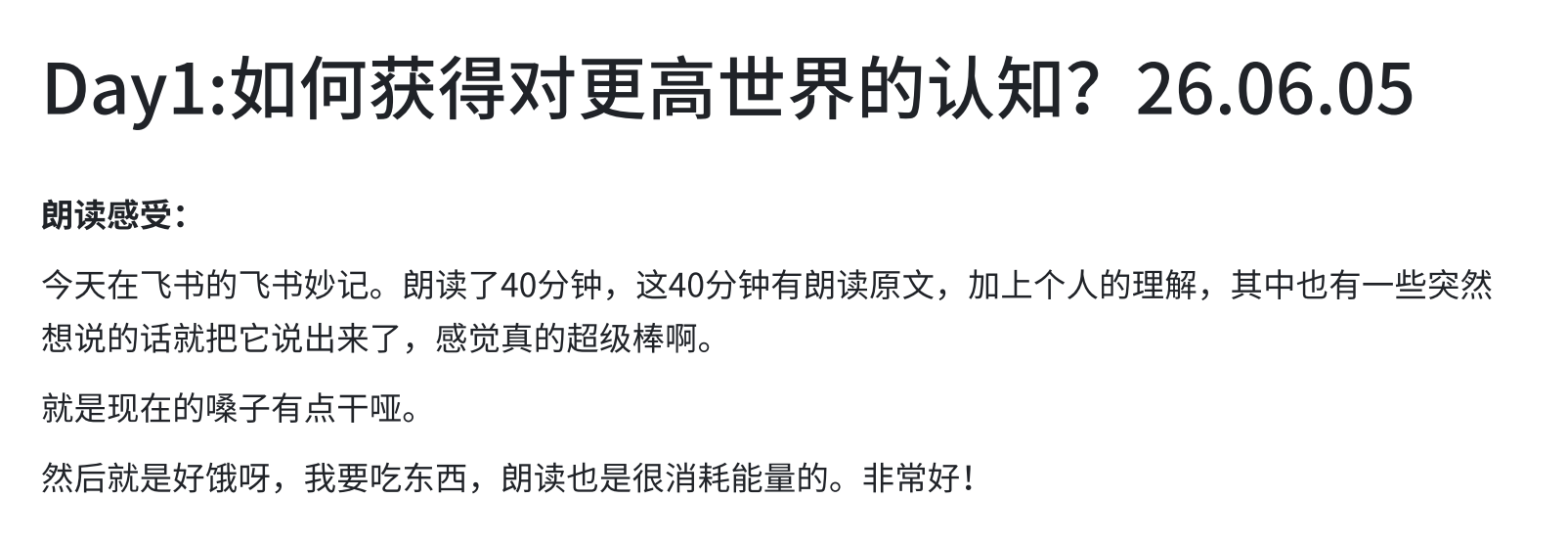
PS:今天可以记下那句最让你印象深刻的话,以及给你带来的感受,或者让你想到了自己的什么经历。
为什么选这篇
云不见:从来不曾意识到,我们曾经所有的经验,都在阻止我们「此刻的看见」。
我们一直在反复的确认过去的自己是否错了、是否对了。而恰恰丢失了此刻经历的一切新鲜,丢失了此刻永远无法被复制的当下。
平庸的文字激活你旧有的情绪,让你感觉「对,我就是这样」,给你熟悉的感受,舒适地待在已知里。
伟大的文字用你储存的经验作为入口,把你带到一个你从未如此清晰看见过的地方。 不是让你回到旧经验的记忆里,是让你突然更彻底地「在这里」。
下面介绍的这个人,给我的就是这样的感觉:
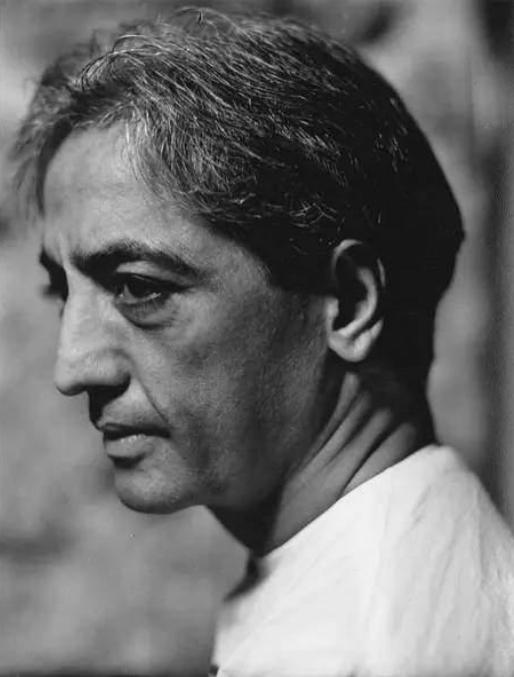
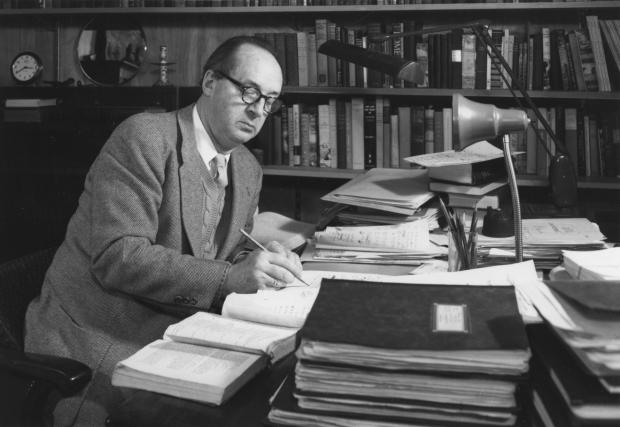
克里希那穆提(J. Krishnamurti,1895–1986)一位伟大的思想家。
1929年,他当众解散了专门崇拜他的组织,拒绝成为任何人的”世界导师”。
”真理是一片没有路径的土地。”
”不要追随任何权威,包括他本人。”
从已知的束缚中解脱
下面是《Freedom from the Known》的第一章节
千百年来,人类一直在寻求自身之外的某样东西,超越物质福祉的某样东西——我们称之为真理、上帝或实相,一种永恒的状态,不会被环境、思想或人类的腐化所干扰。
人类始终在问这样的问题:这一切究竟有什么意义?生命有任何意义吗?他看见生命巨大的混乱——那些残暴、反叛、战争,宗教、意识形态和民族之间无休止的分裂——带着一种深沉而持久的挫败感,他问:我该怎么办?我们称之为“生活”的这件事到底是什么?它之外还有什么吗?
找不到这个有千种名字的无名之物——他一直在寻找的那个——他便开始培养信仰:对救世主或某种理想的信仰。而信仰总是孕育着暴力。
我们把活着这件事称为一场持续的战争。在这场战争中,我们试图依照所成长的社会来设定一套行为准则,无论是共产主义社会还是所谓的自由社会;我们接受某种行为标准,将其视为传统的一部分,无论我们恰好是印度教徒、穆斯林、基督徒还是其他什么。我们期待有人来告诉我们什么是对的行为、什么是错的,什么是对的思想、什么是错的——在遵循这种模式的过程中,我们的行为和思维变得机械,我们的反应变得自动化。这一点,我们可以在自己身上非常轻易地观察到。
几个世纪以来,我们一直被老师、权威、书籍和圣人用汤匙喂食。我们说:“把一切都告诉我——山那头、大地之外有什么?”然后便满足于他们的描述。这意味着我们活在文字里,我们的生命是肤浅而空洞的。我们是二手的人。我们活在被告知的东西里,或者顺应自己的倾向和趋势,或者被环境和境遇所迫而接受。我们是各种影响的产物,我们身上没有任何新东西,没有任何我们自己发现的东西,没有任何原创的、纯粹的、清明的东西。
纵观神学历史,宗教领袖一再向我们保证:如果我们执行某些仪式,重复某些祈祷或咒语,遵从某些模式,压制欲望,控制思想,升华激情,限制胃口,戒绝性行为——在对身心进行足够的折磨之后,我们将在这短暂的生命之外发现某样东西。这正是千百年来数百万所谓虔诚宗教之人所做的事:有人独处,走进沙漠、山中或洞穴,或端着乞食碗从村庄走到村庄;有人集体加入修道院,强迫心灵顺从于既定的模式。但一个受折磨的心灵、一个破碎的心灵、一个想要逃离一切混乱的心灵、一个通过纪律和顺从而变得迟钝的心灵——无论它寻求多久,所能找到的只会是它自身扭曲的映像。
因此,要探寻在这种焦虑、内疚、恐惧、竞争的存在之外是否确实存在某样东西,在我看来,必须采取一种完全不同的方式。传统的方式是从外围向内,通过时间、练习和舍弃,逐渐触达那朵内在的花朵、那内在的美与爱——实际上就是竭尽所能地让自己变得狭隘、渺小、鄙陋;一点点地剥落;慢慢来;明天再做,下辈子再做——而当最终走到中心时,却发现那里空无一物,因为心灵早已被弄得迟钝、麻木、失去感知。
观察到这一过程之后,人们不禁自问:难道不存在一种完全不同的方式吗——也就是说,能否从中心爆发?
世界接受并遵循传统方式。我们内在混乱的根本原因,是寻求另一个人所承诺的实相;我们机械地追随某个能为我们保证舒适精神生活的人。有一件事极为奇特:尽管我们大多数人反对政治上的专制和独裁,却在内心接受他人扭曲我们的心灵和生活方式的权威和专制。因此,如果我们彻底拒绝——不是在智识上,而是在实际上——所有所谓的精神权威、一切仪式、典礼和教条,这意味着我们将独自站立,并已然与社会发生冲突;我们不再是体面的人。一个体面的人,根本无法接近那无限的、不可测量的实相。
你现在做的,是从否认某样绝对虚假的东西开始——那就是传统方式。但如果你是作为一种反应而否认它,你将会创造出另一种模式,并被困其中;如果你只是在智识上告诉自己“这种否认是个好主意”,却什么都不去做,你就无法更进一步。然而,如果你否认它,是因为你理解了它的愚蠢和幼稚;如果你以巨大的智识来拒绝它,因为你是自由的、不再恐惧的——那么你将在自身内部和周围引发巨大的动荡,但你将踏出体面的陷阱。然后你会发现自己不再寻求了。这是首先要学会的东西——不去寻求。当你在寻求时,你实际上只是在隔着橱窗往里张望。
上帝或真理或实相——或者你喜欢怎么称呼它——是否存在的问题,永远无法被书籍、神父、哲学家或救世主来回答。没有任何人或任何事物能够回答这个问题——只有你自己。这就是为什么你必须了解自己。不成熟,只存在于对自我的彻底无知之中。了解自己,是智慧的开端。
而你自己,那个“你”——究竟是什么?我认为人类(human being)和个体(individual)之间存在区别。个体是一个地方性的存在,生活在某个特定的国家,属于某种特定的文化、特定的社会、特定的宗教。人类不是地方性的存在。他无处不在。如果个体只是在广大生命领域的某个角落行动,那么他的行动与整体完全无关。因此我们必须铭记,我们谈论的是整体而非部分——因为大者含小,小者不含大。个体是那个渺小的、被制约的、可怜的、受挫折的存在,满足于他的小神明和小传统;而人类关心的是整个世界的总体福祉、总体苦难和总体混乱。
我们人类与数百万年前没有任何不同——贪婪、嫉妒、攻击性、妒忌、焦虑和绝望,偶尔有一丝喜悦和爱意的闪光。我们是仇恨、恐惧和温柔的奇异混合;我们既是暴力也是和平。从牛车到喷气式飞机,外在有了进步,但心理上,个体根本没有改变,而世界各地的社会结构都是由个体创造的。外在的社会结构是我们人类关系内在心理结构的产物,因为个体是人类所有经验、知识和行为的总和。我们每个人都是过去的仓库。个体就是作为全人类的那个人。人类的全部历史,都写在我们自己身上。
你来看看,在你所生活的竞争文化里实际发生着什么——无论内在还是外在——那种对权力、地位、声望、名誉、成功以及诸如此类的渴望;看看你如此骄傲的那些成就,这整个被你称为“生活”的领域——在那里,每一种关系中都存在冲突,滋生着仇恨、对立、残暴和无尽的战争。这个领域,这种生活,是我们所知道的全部。无法理解存在这场巨大的战争,我们自然会对它感到恐惧,并以各种微妙的方式逃离它。我们也害怕未知——害怕死亡,害怕明天之外的东西。因此我们既害怕已知,也害怕未知。这就是我们的日常生活,其中没有希望,因此每一种哲学形式、每一种神学概念,都只不过是对实际现实的逃避。
战争、革命、改革、法律和意识形态所带来的一切外在变革,都完全未能改变人性的基本面貌,因而也未能改变社会。作为生活在这个极其丑陋的世界中的人类,让我们问一问自己:这个建立在竞争、残暴和恐惧之上的社会,能够终结吗?不是作为智识上的设想,不是作为一种希望,而是作为一个实际的事实——使心灵变得清新、崭新和纯真,从而带来一个完全不同的世界?我认为,只有当我们每个人认识到这一核心事实时,才有可能发生:无论我们生活在世界的哪个角落,无论属于哪种文化,我们对整个世界的状况负有全部责任。
由于我们生活的攻击性,由于我们的民族主义、自私、我们的神、我们的偏见、我们的理想——所有这些分裂着我们——我们每个人都对每一场战争负有责任。只有当我们认识到——不是在智识上,而是实际上,就像我们感到饥饿或疼痛一样实际——你和我对所有这一切现存的混乱负有责任,对世界各地的所有苦难负有责任,因为我们在日常生活中为之做出了贡献,并且是这个充满战争、分裂、丑陋、残暴和贪婪的畸形社会的一部分——只有那时,我们才会行动。
但作为人类——作为你和我——能做什么,来创造一个完全不同的社会?
我们在问自己一个非常严肃的问题。究竟有没有任何事情可以做?我们能做什么?有人会告诉我们吗?
人们已经告诉过我们了。
所谓的精神领袖——据说比我们更了解这些事情的人——通过试图把我们扭曲和塑造成一种新的模式来告诉我们,而这并没有带我们走多远;博学多识的人告诉我们,也没有带我们更进一步。
我们被告知,所有的道路都通向真理——你作为印度教徒有你的道路,另一个人作为基督徒有他的道路,还有一个人作为穆斯林,他们都在同一扇门前相遇——但当你审视这种说法时,它是如此显然地荒谬。真理没有道路,这正是真理的美之所在,它是活生生的。一个死的东西有通往它的道路,因为它是静止的;但当你看见真理是一种活的东西——移动的、没有停歇之处的、不在任何寺庙、清真寺或教堂里的、没有任何宗教、任何老师、任何哲学家、任何人能引领你到达的——那么你也会看见,这个活生生的东西就是你实际上所是的——你的愤怒、你的残暴、你的暴力、你的绝望,你所生活的痛苦和悲伤。在理解这一切的过程中就是真理,而只有当你知道如何看待自己生命中的那些东西时,你才能理解它。你无法透过意识形态、透过文字的屏幕、透过希望和恐惧来看。
因此你会看见,你无法依赖任何人。
没有向导,没有老师,没有权威。只有你——你与他人和世界的关系——没有别的。当你意识到这一点时,它要么带来巨大的绝望,从绝望中生出玩世不恭和苦涩;要么,在直面这个事实——你而非任何其他人对世界和你自己负责,对你的思想、感受和行为方式负责——的过程中,所有的自怜消散了。通常我们靠责怪他人为生,那是一种自怜的形式。
那么,你和我,能否在自身之内——不受任何外部影响,不受任何劝说,不受任何惩罚的恐惧——在我们存在的最深处带来一场全面的革命,一场心理上的蜕变,使我们不再残暴、暴力、竞争、焦虑、恐惧、贪婪、嫉妒——以及我们本性的一切其他表现——正是这些,构建了我们在日常生活中所生活的那个腐朽的社会?
从一开始就理解这一点非常重要:我没有在阐述任何哲学或任何神学思想结构或神学概念。
在我看来,所有的意识形态都是荒谬透顶的。重要的不是一种生活哲学,而是观察在我们日常生活中实际发生的事情——内在和外在。如果你非常仔细地观察正在发生的事情并加以审视,你会看见它建立在智识的概念之上,而智识并不是存在的整个领域;它只是一个片段,而一个片段,无论拼凑得多么巧妙,无论多么古老和传统,仍然只是存在的一小部分——而我们必须处理的是生命的整体。当我们观察世界上正在发生的事情时,我们开始理解,并不存在外在和内在的过程;只有一个统一的过程,它是一个整体、总体的运动,内在的运动表现为外在,外在又反过来作用于内在。能够以这种方式来看,在我看来就是所需的一切,因为如果我们知道如何看,那么一切就变得非常清晰——而要看,不需要哲学,不需要老师。没有人需要告诉你如何看。你只是看。
那么,看见整幅图景——不是用语言,而是实际地看见——你能轻松地、自发地转化自己吗?这才是真正的问题所在。
能否在心灵中带来一场彻底的革命?
我想知道你对这样一个问题的反应是什么?你可能会说,“我不想改变”——大多数人都不想,尤其是那些在社会上和经济上相当安稳,或者持有教条信仰、满足于接受自己和事物现状或轻微改变的人。我们并不关心这些人。或者你可能会更微妙地说,“嗯,这太难了,这不适合我”——那么你已经把自己堵死了,已经停止了探寻,继续下去也没有用。或者你可能会说,“我看见在自身内部进行根本性内在变革的必要性,但我该如何带来它?请给我指路,帮助我走向它。”如果你这样说,那么你所关心的并非变革本身;你并不真正对根本性的革命感兴趣:你只是在寻求一种方法、一个体系来带来变革。
如果我愚蠢到给你一个体系,而你又愚蠢到跟随它,你只不过是在复制、模仿、顺从、接受——当你这样做时,你就在自身内部设立了另一个人的权威,因此在你和那个权威之间存在着冲突。你觉得自己必须做某事,因为你被告知要这样做,然而你又做不到。你有自己特定的倾向、趋势和压力,与你认为自己应该遵循的体系相冲突,因此存在矛盾。于是你将过着双重生活——一面是体系的意识形态,另一面是你日常存在的实际。在试图顺应意识形态的过程中,你压制了自己——而实际上真实的并非意识形态,而是你所是的样子。如果你试图依照他人来研究自己,你将永远只是一个二手的人。
一个说“我想改变,告诉我怎么做”的人,看起来非常认真、非常严肃,但其实并不是。
他想要一个权威,希望这个权威能为他带来内在的秩序。但权威能带来内在的秩序吗?从外部强加的秩序,必然总是孕育着无序。你可能在智识上看见这个真理,但你能实际地运用它,使你的心灵不再投射任何权威——书的权威、老师的权威、妻子或丈夫的权威、父母的权威、朋友的权威或社会的权威吗?因为我们总是在某种公式的模式中运作,公式成了意识形态和权威;但当你真正看见,“我如何改变?”这个问题本身就设立了一种新的权威,你就永远地与权威结束了。
让我们再次清楚地陈述:我看见我必须从存在的根本上彻底改变;我不能再依赖任何传统,因为传统带来了这种巨大的懒惰、接受和服从;我不可能再期望任何人——任何老师、任何神、任何信仰、任何体系、任何外部压力或影响——来帮助我改变。
那么接下来会发生什么?
首先,你能拒绝所有权威吗?如果你能,这意味着你不再恐惧。那么会发生什么?当你拒绝某种虚假的东西——那个背负了数代的东西,当你抛下任何形式的负担时,会发生什么?你会拥有更多的能量,不是吗?你会有更多的能力、更多的推动力、更大的强度和活力。如果你感觉不到这一点,那么你还没有真正抛下那个负担,你还没有丢弃权威这块沉重的石头。
但当你已经抛下它,拥有了这种没有任何恐惧的能量——不害怕犯错,不害怕做对或做错——那么,这种能量本身不就是那个蜕变吗?我们需要大量的能量,而我们通过恐惧来耗散它;但当这种能量来自于抛弃每一种形式的恐惧,那种能量本身就产生了根本的内在革命。你无需为此做任何事情。
于是你被留给了你自己——这才是一个非常认真对待这一切的人的实际状态。
因为你不再向任何人或任何事物寻求帮助,你已经自由了,可以去发现。当有自由时,就有能量;当有自由时,它永远不会做任何错事。自由与反叛是截然不同的东西。当有自由时,不存在做对或做错的问题。你是自由的,从那个中心出发,你行动。因此没有恐惧,而一个没有恐惧的心灵,能够有巨大的爱。当有爱时,它可以做它所愿意做的。
我们来直接看:我们自己实际上是什么。不是依照我或某位分析师或哲学家——因为如果我们依照他人来了解自己,我们了解的是那个他人,而不是我们自己。
意识到我们不能依赖任何外部权威来在自身心灵结构中带来全面的革命之后,我们面临着一个难得多的难题:拒绝我们自身的内在权威——我们自己特定的小经验和积累的观点、知识、想法和理想的权威。昨天你有了一个经历,它教导了你某些东西,而那个经历所教导的便成了新的权威——而昨天的那个权威,与千年前的权威一样具有破坏性。了解我们自己不需要昨天或千年前的权威,因为我们是活的东西,总是在移动、流动、从不停歇。当我们用昨天的僵死权威来看待自己时,我们将无法理解那个活的运动,以及那种运动的美与韵味。
从所有权威中解脱——从你自己的和他人的——就是对昨天的一切死去,使你的心灵总是清新的,总是年轻的,纯真的,充满活力和热情。只有在那种状态下,人才学习和观察。为此,需要大量的觉知——对自身内部正在发生的事情的实际觉知,不去纠正它,不去规定它该是什么,因为当你去纠正它的那一刻,你就已经确立了另一个权威,一个审查者。
因此,现在我们将一起来探究我们自己——不是一个人在解释,而你在阅读时与他同意或不同意;而是共同踏上一段旅程,一段探索我们心灵最隐秘角落的发现之旅。要踏上这样的旅程,我们必须轻装上路;我们不能被观点、偏见和结论所累——那些我们在过去两千年乃至更长时间里积累的所有旧家具。忘记你所知道的关于自己的一切;忘记你所想到的关于自己的一切;我们将以一无所知的状态重新开始。
昨夜大雨倾盆,现在天空开始放晴;
这是崭新清爽的一天。
让我们像对待唯一的一天那样去迎接这崭新的一天。
让我们把昨日的一切记忆留在身后,踏上共同的旅程——
开始第一次真正地了解我们自己。
英文原文
Man's Search—The Tortured Mind—The Traditional Approach—The Trap of Respectability—The Human Being and the Individual—The Battle of Existence—The Basic Nature of Man—Responsibility—Truth—Self-transformation—Dissipation of Energy—Freedom from Authority
Man has throughout the ages been seeking something beyond himself, beyond material welfare—something we call truth or God or reality, a timeless state—something that cannot be disturbed by circumstances, by thought or by human corruption.
Man has always asked the question: what is it all about? Has life any meaning at all? He sees the enormous confusion of life, the brutalities, the revolts, the wars, the endless divisions of religion, ideology and nationality, and with a sense of deep abiding frustration he asks, what is one to do, what is this thing we call living, is there anything beyond it?
And not finding this nameless thing of a thousand names which he has always sought, he has cultivated faith—faith in a saviour or an ideal—and faith invariably breeds violence.
In this constant battle which we call living, we try to set a code of conduct according to the society in which we are brought up, whether it be a Communist society or a so-called free society; we accept a standard of behaviour as part of our tradition as Hindus or Muslims or Christians or whatever we happen to be. We look to someone to tell us what is right or wrong behaviour, what is right or wrong thought, and in following this pattern our conduct and our thinking become mechanical, our responses automatic. We can observe this very easily in ourselves.
For centuries we have been spoon-fed by our teachers, by our authorities, by our books, our saints. We say, 'Tell me all about it—what lies beyond the hills and the mountains and the earth?' and we are satisfied with their descriptions, which means that we live on words and our life is shallow and empty. We are secondhand people. We have lived on what we have been told, either guided by our inclinations, our tendencies, or compelled to accept by circumstances and environment. We are the result of all kinds of influences and there is nothing new in us, nothing that we have discovered for ourselves; nothing original, pristine, clear.
Throughout theological history we have been assured by religious leaders that if we perform certain rituals, repeat certain prayers or mantras, conform to certain patterns, suppress our desires, control our thoughts, sublimate our passions, limit our appetites and refrain from sexual indulgence, we shall, after sufficient torture of the mind and body, find something beyond this little life. And that is what millions of so-called religious people have done through the ages, either in isolation, going off into the desert or into the mountains or a cave or wandering from village to village with a begging bowl, or, in a group, joining a monastery, forcing their minds to conform to an established pattern. But a tortured mind, a broken mind, a mind which wants to escape from all turmoil, which has denied the outer world and been made dull through discipline and conformity—such a mind, however long it seeks, will find only according to its own distortion.
So to discover whether there actually is or is not something beyond this anxious, guilty, fearful, competitive existence, it seems to me that one must have a completely different approach altogether. The traditional approach is from the periphery inwards, and through time, practice and renunciation, gradually to come upon that inner flower, that inner beauty and love—in fact to do everything to make oneself narrow, petty and shoddy; peel off little by little; take time; tomorrow will do, next life will do—and when at last one comes to the centre one finds there is nothing there, because one's mind has been made incapable, dull and insensitive.
Having observed this process, one asks oneself, is there not a different approach altogether—that is, is it not possible to explode from the centre?
The world accepts and follows the traditional approach. The primary cause of disorder in ourselves is the seeking of reality promised by another; we mechanically follow somebody who will assure us a comfortable spiritual life. It is a most extraordinary thing that although most of us are opposed to political tyranny and dictatorship, we inwardly accept the authority, the tyranny, of another to twist our minds and our way of life. So if we completely reject, not intellectually but actually, all so-called spiritual authority, all ceremonies, rituals and dogmas, it means that we stand alone and are already in conflict with society; we cease to be respectable human beings. A respectable human being cannot possibly come near to that infinite, immeasurable, reality.
You have now started by denying something absolutely false—the traditional approach—but if you deny it as a reaction you will have created another pattern in which you will be trapped; if you tell yourself intellectually that this denial is a very good idea but do nothing about it, you cannot go any further. If you deny it, however, because you understand the stupidity and immaturity of it, if you reject it with tremendous intelligence, because you are free and not frightened, you will create a great disturbance in yourself and around you but you will step out of the trap of respectability. Then you will find that you are no longer seeking. That is the first thing to learn—not to seek. When you seek you are really only window-shopping.
The question of whether or not there is a God or truth or reality, or whatever you like to call it, can never be answered by books, by priests, philosophers or saviours. Nobody and nothing can answer the question but you yourself and that is why you must know yourself. Immaturity lies only in total ignorance of self. To understand yourself is the beginning of wisdom.
And what is yourself, the individual you? I think there is a difference between the human being and the individual. The individual is a local entity, living in a particular country, belonging to a particular culture, particular society, particular religion. The human being is not a local entity. He is everywhere. If the individual merely acts in a particular corner of the vast field of life, then his action is totally unrelated to the whole. So one has to bear in mind that we are talking of the whole not the part, because in the greater the lesser is, but in the lesser the greater is not. The individual is the little conditioned, miserable, frustrated entity, satisfied with his little gods and his little traditions, whereas a human being is concerned with the total welfare, the total misery and total confusion of the world.
We human beings are what we have been for millions of years—colossally greedy, envious, aggressive, jealous, anxious and despairing, with occasional flashes of joy and affection. We are a strange mixture of hate, fear and gentleness; we are both violence and peace. There has been outward progress from the bullock cart to the jet plane but psychologically the individual has not changed at all, and the structure of society throughout the world has been created by individuals. The outward social structure is the result of the inward psychological structure of our human relationships, for the individual is the result of the total experience, knowledge and conduct of man. Each one of us is the storehouse of all the past. The individual is the human who is all mankind. The whole history of man is written in ourselves.
Do observe what is actually taking place within yourself and outside yourself in the competitive culture in which you live with its desire for power, position, prestige, name, success and all the rest of it—observe the achievements of which you are so proud, this whole field you call living in which there is conflict in every form of relationship, breeding hatred, antagonism, brutality and endless wars. This field, this life, is all we know, and being unable to understand the enormous battle of existence we are naturally afraid of it and find escape from it in all sorts of subtle ways. And we are frightened also of the unknown—frightened of death, frightened of what lies beyond tomorrow. So we are afraid of the known and afraid of the unknown. That is our daily life and in that there is no hope, and therefore every form of philosophy, every form of theological concept, is merely an escape from the actual reality of what is.
All outward forms of change brought about by wars, revolutions, reformations, laws and ideologies have failed completely to change the basic nature of man and therefore of society. As human beings living in this monstrously ugly world, let us ask ourselves, can this society, based on competition, brutality and fear, come to an end? Not as an intellectual conception, not as a hope, but as an actual fact, so that the mind is made fresh, new and innocent and can bring about a different world altogether? It can only happen, I think, if each one of us recognizes the central fact that we, as individuals, as human beings, in whatever part of the world we happen to live or whatever culture we happen to belong to, are totally responsible for the whole state of the world.
We are each one of us responsible for every war because of the aggressiveness of our own lives, because of our nationalism, our selfishness, our gods, our prejudices, our ideals, all of which divide us. And only when we realize, not intellectually but actually, as actually as we would recognize that we are hungry or in pain, that you and I are responsible for all this existing chaos, for all the misery throughout the entire world because we have contributed to it in our daily lives and are part of this monstrous society with its wars, divisions, its ugliness, brutality and greed—only then will we act.
But what can a human being do—what can you and I do—to create a completely different society? We are asking ourselves a very serious question. Is there anything to be done at all? What can we do? Will somebody tell us?
People have told us. The so-called spiritual leaders, who are supposed to understand these things better than we do, have told us by trying to twist and mould us into a new pattern, and that hasn't led us very far; sophisticated and learned men have told us and that has led us no further.
We have been told that all paths lead to truth—you have your path as a Hindu and someone else has his path as a Christian and another as a Muslim, and they all meet at the same door—which is, when you look at it, so obviously absurd. Truth has no path, and that is the beauty of truth, it is living. A dead thing has a path to it because it is static, but when you see that truth is something living, moving, which has no resting place, which is in no temple, mosque or church, which no religion, no teacher, no philosopher, nobody can lead you to—then you will also see that this living thing is what you actually are—your anger, your brutality, your violence, your despair, the agony and sorrow you live in. In the understanding of all this is the truth, and you can understand it only if you know how to look at those things in your life. And you cannot look through an ideology, through a screen of words, through hopes and fears.
So you see that you cannot depend upon anybody. There is no guide, no teacher, no authority. There is only you—your relationship with others and with the world—there is nothing else. When you realize this, it either brings great despair, from which comes cynicism and bitterness, or, in facing the fact that you and nobody else are responsible for the world and for yourself, for what you think, what you feel, how you act, all self-pity goes. Normally we thrive on blaming others, which is a form of self-pity.
Can you and I, then, bring about in ourselves without any outside influence, without any persuasion, without any fear of punishment—can we bring about in the very essence of our being a total revolution, a psychological mutation, so that we are no longer brutal, violent, competitive, anxious, fearful, greedy, envious and all the rest of the manifestations of our nature which have built up the rotten society in which we live our daily lives?
It is important to understand from the very beginning that I am not formulating any philosophy or any theological structure of ideas or theological concepts. It seems to me that all ideologies are utterly idiotic. What is important is not a philosophy of life but to observe what is actually taking place in our daily life, inwardly and outwardly. If you observe very closely what is taking place and examine it, you will see that it is based on an intellectual conception, and the intellect is not the whole field of existence; it is a fragment, and a fragment, however cleverly put together, however ancient and traditional, is still a small part of existence whereas we have to deal with the totality of life. And when we look at what is taking place in the world we begin to understand that there is no outer and inner process; there is only one unitary process, it is a whole, total movement, the inner movement expressing itself as the outer and the outer reacting again on the inner. To be able to look at this seems to me all that is needed, because if we know how to look, then the whole thing becomes very clear, and to look needs no philosophy, no teacher. Nobody need tell you how to look. You just look.
Can you then, seeing this whole picture, seeing it not verbally but actually, can you easily, spontaneously, transform yourself? That is the real issue.
First of all, can you reject all authority? If you can it means that you are no longer afraid. Then what happens? When you reject something false which you have been carrying about with you for generations, when you throw off a burden of any kind, what takes place? You have more energy, haven't you? You have more capacity, more drive, greater intensity and vitality. If you do not feel this, then you have not thrown off the burden, you have not discarded the dead weight of authority.
But when you have thrown it off and have this energy in which there is no fear at all—no fear of making a mistake, no fear of doing right or wrong—then is not that energy itself the mutation? We need a tremendous amount of energy and we dissipate it through fear but when there is this energy which comes from throwing off every form of fear, that energy itself produces the radical inward revolution. You do not have to do a thing about it.
So you are left with yourself, and that is the actual state for a man to be who is very serious about all this; and as you are no longer looking to anybody or anything for help, you are already free to discover. And when there is freedom, there is energy; and when there is freedom it can never do anything wrong. Freedom is entirely different from revolt. There is no such thing as doing right or wrong when there is freedom. You are free and from that centre you act. And hence there is no fear, and a mind that has no fear is capable of great love. And when there is love it can do what it will.
To be free of all authority, of your own and that of another, is to die to everything of yesterday, so that your mind is always fresh, always young, innocent, full of vigour and passion. It is only in that state that one learns and observes. And for this a great deal of awareness is required, actual awareness of what is going on inside yourself, without correcting it or telling it what it should or should not be, because the moment you correct it you have established another authority, a censor.
So now we are going to investigate ourselves together—not one person explaining while you read, agreeing or disagreeing with him as you follow the words on the page, but taking a journey together, a journey of discovery into the most secret corners of our minds. And to take such a journey we must travel light; we cannot be burdened with opinions, prejudices and conclusions—all that old furniture we have collected for the last two thousand years and more. Forget all you know about yourself; forget all you have ever thought about yourself; we are going to start as if we knew nothing.
It rained last night heavily, and now the skies are beginning to clear; it is a new fresh day. Let us meet that fresh day as if it were the only day. Let us start on our journey together with all the remembrance of yesterday left behind—and begin to understand ourselves for the first time.